Canine First Aid: Your Business's Duty of Care
Canine First Aid: Your Business's Duty of Care
If you're running a dog-friendly business, you've probably poured countless hours into getting the atmosphere just right for your human customers. The right coffee, the perfect decor, the friendly service. But what about the guests who arrive on four legs, tail wagging? When you open your doors to dogs – whether you run a pub, a grooming salon, a hotel, or a kennel – you're also opening yourself up to a certain level of responsibility for their safety. We call this a 'duty of care', and a huge part of that is knowing what to do when things go wrong. This is exactly where having real, practical skills in Canine First Aid shifts from being a nice-to-have to an absolute essential.
It goes so much deeper than just putting out a bowl of fresh water. It’s about cultivating an environment where dog owners don't just feel welcomed, they feel completely confident that their beloved companion is in safe hands. Being prepared for an emergency isn’t just about ticking a box; it's a clear signal to your customers that you are a true professional who takes their entire family's wellbeing seriously. That's how you build real trust, and in business, trust is everything.
Why is Canine First Aid a Non-Negotiable for Your Business?
Honestly, think of it as a fundamental part of your customer promise. When a dog owner walks into your establishment, they're handing you a piece of their heart for a little while. They're trusting you. Having the training to step in calmly and competently during a crisis is one of the most powerful ways you can honour that trust. It speaks volumes about your professionalism and immediately sets you head and shoulders above any local competitors who haven't given it a second thought.
And let's not forget the practical side of things. Beyond the simple ethics of being a good human, being prepared is a huge shield for your business's reputation. We live in an age of instant feedback. A Google review or a Facebook post detailing how your team handled a pet emergency with compassion and skill? That's marketing gold. On the flip side, a story about a business that stood by helplessly could cause serious, lasting damage. Making a small investment in pet first aid training is really an investment in the long-term health and public perception of your brand.
The Basics of Your Duty of Care
So what does this 'duty of care' actually look like in practice? It simply means you're expected to take reasonable and sensible steps to prevent harm to the dogs on your premises or under your supervision. No one expects you to be a vet, but they do expect you to be prepared for the most common emergencies. This responsibility really boils down to three key areas:
Providing a Safe Environment:This is all about prevention. It means regularly walking through your space with a 'dog's-eye view'. Are there any trailing cables? Toxic plants like lilies or ivy within reach? Small objects on the floor that could be swallowed? It’s about active, ongoing vigilance.
Recognising Common Risks:Every environment has its own unique challenges. A café with an outdoor patio needs to be hyper-aware of the risk of heatstroke on a hot day. A doggy daycare needs solid protocols for preventing and managing squabbles between dogs. Know your space and anticipate the problems.
Being Ready to Act:This is the heart of it all. It’s one thing to spot a hazard; it’s another to know exactly what to do when an accident happens. This means having the right supplies and, crucially, the right training to provide immediate care in those critical moments before you can get the dog to a vet.
Key Canine First Aid Skills for Business Owners
While nothing beats a full, hands-on training course, every single person running a dog-friendly business should have a foundational understanding of some coreCanine First Aidskills. Your ability to manage a situation in the first few minutes can genuinely alter the outcome for the animal.
If you're just starting, here are some of the most critical skills to focus on:
The Primary Survey (DR ABC):This isn't just jargon; it’s a clear, methodical checklist for assessing an unconscious dog. It guides you to check forDanger (to yourself and the dog),Response,Airway,Breathing, andCirculation. It takes the panic out of the equation.
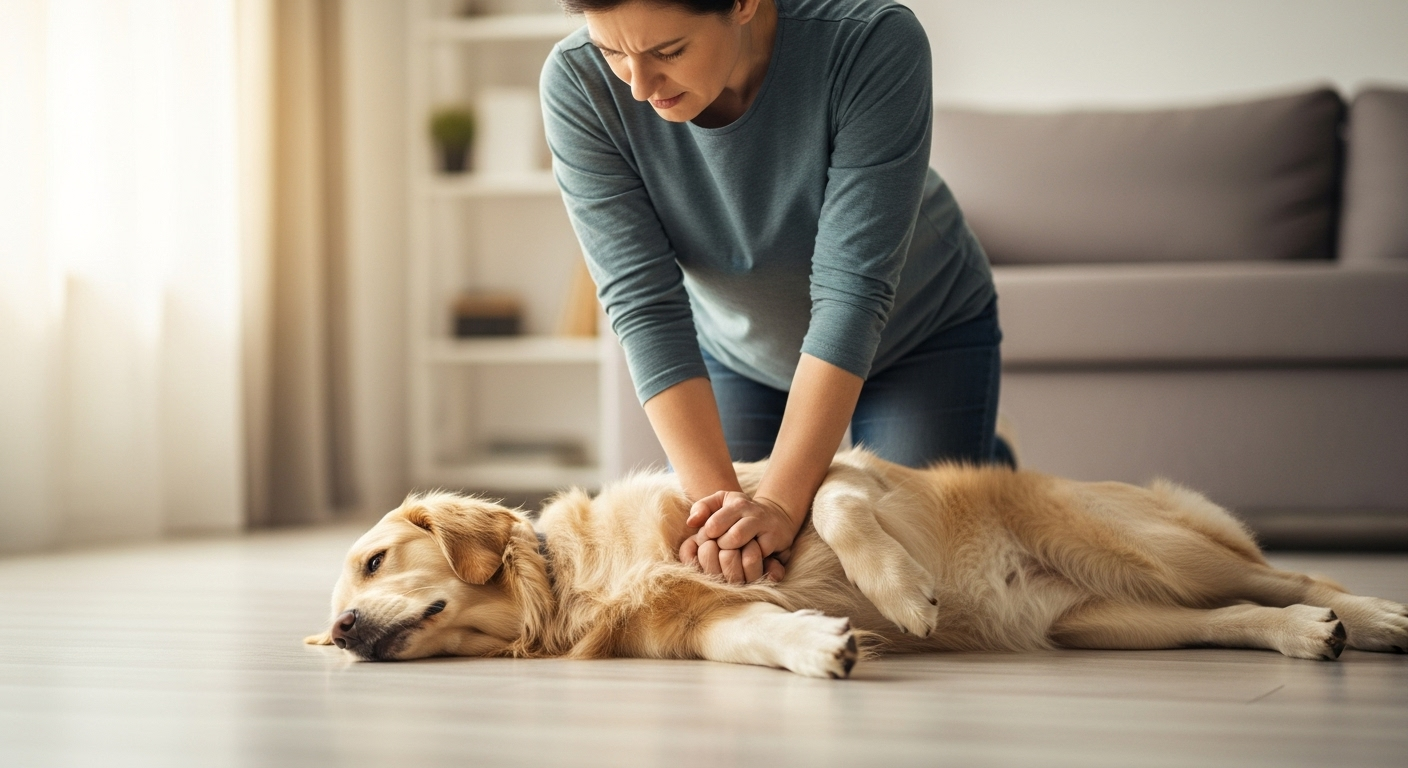
Choking Response:In a place with treats, toys, or even just dropped human food, choking is a very real risk. Knowing the signs and having the confidence to perform the correct manoeuvres to dislodge an obstruction is a skill that can literally save a life in seconds.
Bleeding Control:From a torn paw pad to a more serious injury, knowing how to apply direct pressure and properly bandage a wound is vital. It can prevent shock and significant blood loss while you seek veterinary help.
Recognising Poisoning and Heatstroke:These two emergencies can be deceptive. The signs are often subtle at first. Being trained to spot early symptoms like excessive drooling, lethargy, or confusion gives you a crucial head start in taking the right action.
Getting Equipped: Your Pet First Aid Kit and Team Training
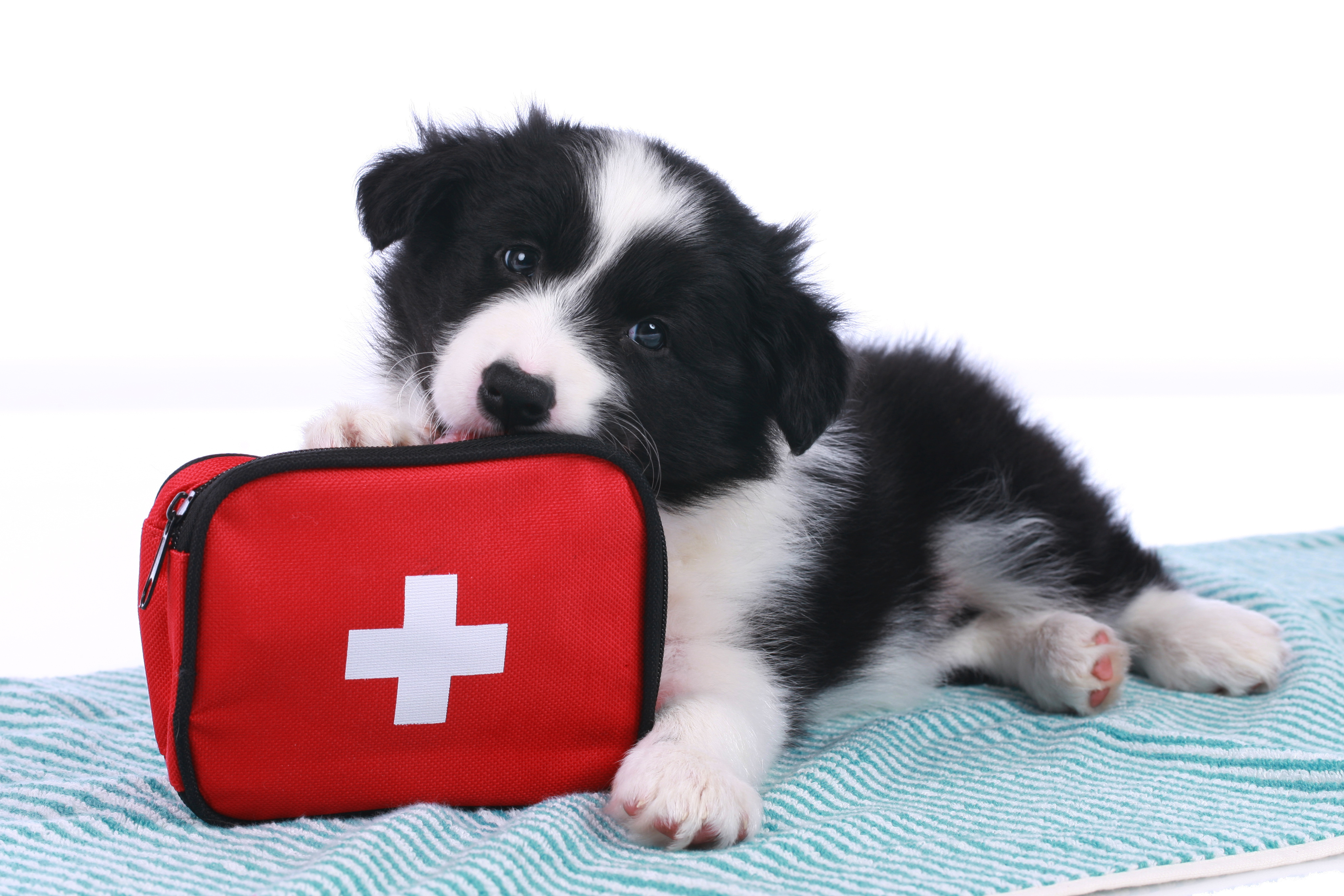
Knowledge is without a doubt your greatest asset, but having the right tools within arm's reach is a very close second. A properly stocked dog first aid kit isn't just a nice accessory; it’s a non-negotiable piece of professional equipment for any business that welcomes animals. Make sure your kit is kept somewhere obvious, that everyone on your team knows where it is, and that you check it every few months to replace used or expired items.
We're often asked which kits to buy. To be honest, a professionally assembled one is usually best to ensure nothing important is missed. For our own vehicles and training sessions, we trust the kits from PawAid. They’re comprehensive and contain everything you need to manage common injuries until you can get professional help.
Empowering Your Team with Canine First Aid UK Training
At the end of the day, the single best way to fulfil your duty of care is to make sure you and your staff are properly trained. Professional training gives you more than just a list of skills; it gives you the confidence to use them under pressure. It ensures that no matter who is working, a dog in distress will get the immediate and correct help they need. What happens if an incident occurs on your day off?
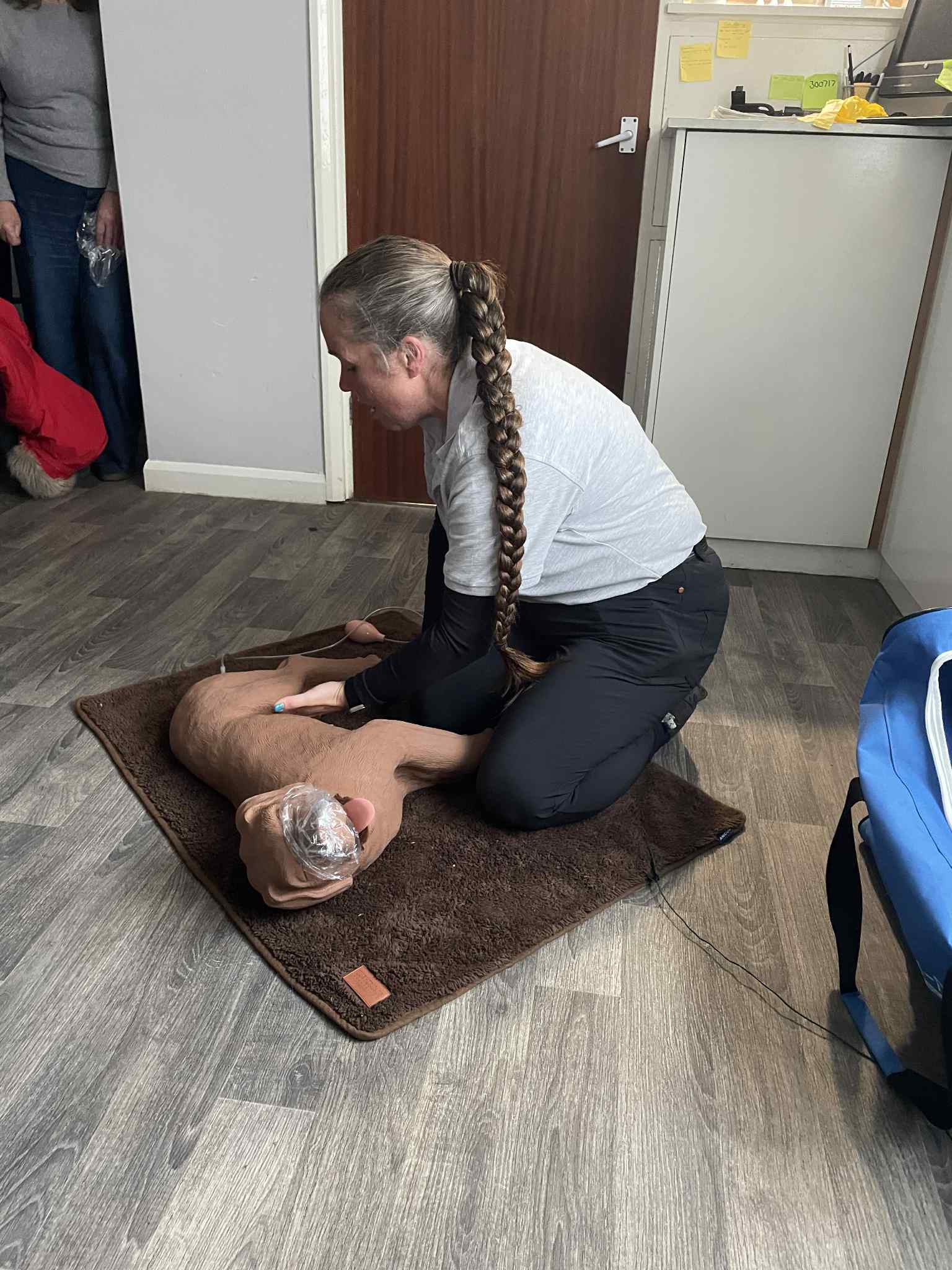
A certified course in animal first aid provides the hands-on practice that you just can't get from a book or a video. It's where you learn the feel of giving CPR, the right tension for a bandage, and how to stay calm while managing a seizure. It transforms theoretical knowledge into a genuine, practical ability. It's an incredibly empowering process for any team.
Conclusion: More Than a Service, It's a Promise
Opening your doors to dogs is a brilliant way to create a warm, vibrant, and inclusive community around your business. But when you take that next step – when you fulfil your duty of care by being fully prepared with Canine First Aid knowledge – you elevate your business from a simple service to a professional promise. A promise of safety, responsibility, and genuine care. It tells your clients, both the two-legged and the four-legged ones, that you value their entire family. This builds a deep, unshakable foundation of trust that will have customers returning again and again.
If you feel ready to make this vital commitment for your business, the best way forward is to explore a certified training course. You can find all the details on our upcoming sessions over on our Level 2 Courses page.
